

Views: 0 Author: Site Editor Publish Time: 2026-07-11 Origin: Site


Premium packaging in the cosmetic and beverage sectors faces hostile environments daily. Products encounter steamy bathroom humidity, aggressive essential oils, cold-chain condensation, and abrasive ice buckets. Standard substrates often degrade rapidly under these conditions. They compromise brand integrity and ruin barcode scannability.
Transitioning to specialized polypropylene (PP) substrates solves these frustrating durability issues. You can maintain premium aesthetics while ensuring rigorous performance. This material upgrade prevents embarrassing label failures on retail shelves and in consumer homes.
This guide evaluates the technical and commercial viability of replacing legacy label substrates for high-stakes packaging environments. You will learn how upgrading to specialized PP films improves moisture resistance, eliminates peeling, and streamlines automated labeling operations. We break down material comparisons, cosmetic applications, beverage cold-chain survival, and implementation best practices.
Durability vs. Moisture & Oils: PP synthetic paper prevents wrinkling, peeling, and ink degradation in high-humidity (beverages) and oil-heavy (cosmetics) environments.
Aesthetic Performance: The high opacity and reflective pearlescent finish eliminate the need for white backing ink while hiding container imperfections.
Operational Efficiency: High stiffness and tensile strength support high-speed, automated labeling lines with fewer web breaks.
Standard paper labels simply absorb condensation. Moisture breaks down the hydrogen bonds inside uncoated paper fibers. This structural failure leads to immediate edge lifting and severe wrinkling. Products traveling through cold chains experience constant temperature shifts. These shifts generate sweating on the bottle surface. Wet paper labels easily scuff during transit. Friction against cardboard dividers destroys the printed graphics before the product even reaches the store.
Cosmetic products often destroy standard packaging materials. Serums, lotions, and facial oils contain aggressive surfactants. These chemical compounds act as solvents. They dissolve standard acrylic adhesives and degrade uncoated paper facestocks. When essential oils seep under a paper label, they break the adhesive bond. The label eventually slides off the bottle. Unprotected ink layers also smear when exposed to common cosmetic bases.
Consumers judge product quality by its external appearance. A damaged label at the point of use permanently damages consumer perception. Premium brands cannot afford wrinkled or peeling packaging. Shoppers associate cheap packaging with low-quality ingredients. A deteriorating label directly impacts repurchase rates. Brand equity relies on the product looking flawless from the first day to the final drop.
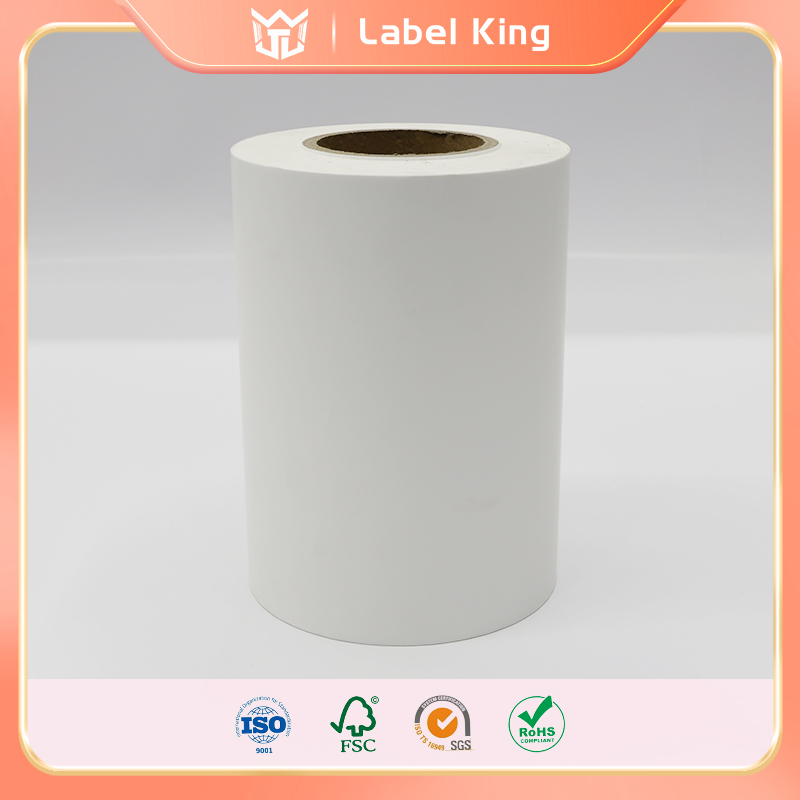
A completely waterproof facestock maintains structural integrity everywhere. You can submerge it in ice baths, store it in refrigerators, or leave it in hot showers. The core of a pearl film synthetic paper PP label material repels water entirely. Moisture cannot penetrate the surface or the edges. This plastic substrate guarantees your packaging remains pristine regardless of environmental humidity.
Manufacturers create pearl films using a micro-voided extrusion process. This process injects tiny air pockets into the film structure. These micro-voids naturally scatter light. They provide excellent high opacity and a bright white appearance. You can hide fill lines effortlessly. You can mask dark container colors perfectly. Printers no longer need to apply thick, expensive layers of opaque white ink to achieve vibrant graphics.
Automated application lines demand specific material rigidity. Polypropylene film offers the exact stiffness required for flawless dispensing. High-speed automatic rotary and inline labeling machines operate smoothly with PP. The rigid nature of the film prevents it from folding over during application. Production facilities experience fewer web breaks and significantly reduced downtime.
Biaxially oriented polypropylene (BOPP) undergoes stretching in two directions during manufacturing. This creates exceptional dimensional stability. The material provides immense tear resistance in both the machine direction and the cross direction. It easily prevents tearing during aggressive die-cutting processes. Operators can strip the waste matrix at high speeds without snapping the web.
Tubes and semi-rigid bottles require flexible labels. Standard rigid films often flag on curved surfaces. Flagging occurs when the edges of a label peel away from the container. Specific blends of synthetic paper PP offer excellent conformability. They wrap around semi-rigid cosmetic bottles and jars securely. The material flexes alongside the squeezable container without cracking or losing adhesion.
Premium cosmetics require distinct visual aesthetics. A waterproof pearlized film delivers a natural pearlescent sheen. This provides a luxurious, frosted look. You can enhance this effect using matte or gloss laminations. A matte lamination creates a sophisticated "no-label" aesthetic on frosted glass. A gloss lamination makes vibrant colors pop on retail shelves. The inherent shimmer elevates the perceived value of the product.
Packaging engineers must evaluate facestocks vigorously. Continuous exposure to essential oils, isopropyl alcohol, and cosmetic bases destroys weak materials. Proper testing involves submerging printed samples in the actual product. You must monitor the label for 48 hours. Check for edge lifting, adhesive oozing, and ink transfer. This rigorous evaluation ensures the chosen PP substrate survives real-world daily usage.
Beverages move rapidly from cold storage to room temperature environments. This transition causes bottles to sweat heavily. You must evaluate performance metrics carefully. Labels must survive extreme condensation. They must also endure prolonged submersion in abrasive ice buckets. Standard materials bubble and slip off the bottle. Polypropylene maintains a secure bond and flawless appearance throughout the entire consumption experience.
Brands often weigh integrated IML solutions against traditional pressure-sensitive applications. You can use pearlized PP films for both methods. IML fuses the label directly into the plastic container during injection molding. This creates a permanent, seamless bond. Pressure-sensitive applications offer more flexibility for short runs and changing graphics. PP substrates deliver excellent results across both technologies.
The facestock represents only half the solution. Pairing the film with the right adhesive remains critical. Cold-temperature adhesives maintain their tack in freezing conditions. Wash-off adhesives allow for easy removal during bottle recycling processes. A robust acrylic adhesive resists water penetration at the edges. Selecting the incorrect adhesive guarantees failure, even if you use the best PP film available.
Understanding substrate differences helps you select the perfect material for your specific application. The wrong choice leads to catastrophic failures. The right choice ensures flawless performance.
Substrate Performance Matrix
Material Type | Moisture Resistance | Opacity Level | Die-Cutting Ease | Ideal Use Case |
|---|---|---|---|---|
Standard Uncoated Paper | Low (Fails when wet) | High | Excellent | Dry environments, short-term use |
Clear BOPP | High (100% waterproof) | Low (Requires white ink) | Good | "No-label" look on clear containers |
PET (Polyester) | High | Medium to High | Poor (High tooling wear) | Extreme heat environments |
Pearl PP Synthetic Paper | High (100% waterproof) | Very High (Native opacity) | Very Good | Cosmetics, cold-chain beverages |
A synthetic paper label material provides absolute moisture resistance and superior tear strength. Standard paper fails immediately under environmental stress. Water destroys paper instantly. While paper remains the cheapest upfront option, it cannot survive high-humidity bathrooms or refrigerated cases.
Pearl film offers exceptionally high native opacity. It hides container contents and dark liquids perfectly. Clear BOPP requires expensive, thick white ink backing to achieve the same text legibility. Printing heavy white ink slows down press speeds. Pearl PP eliminates this extra production step entirely.
Polypropylene is much easier to die-cut than PET. PET requires heavy-duty tooling and causes rapid die wear. PP extends the life of your cutting tools. While PET handles extreme heat applications well, cosmetics and beverages rarely require such high-temperature resistance. PP provides the perfect balance of durability and conversion ease.
Plastic films inherently resist ink adhesion. Pearl PP films require proper surface treatment. Suppliers typically apply a proprietary top-coating. Converters might also use inline corona treatment to boost surface tension. You must measure the dyne level before printing. Adequate surface tension ensures UV flexo, digital, and thermal transfer inks anchor permanently to the substrate.
Synthetic papers are notably more abrasive than standard paper. The micro-voided structure and chemical composition dull cutting blades faster. Procurement teams must account for increased die-wear. You should adjust tooling specifications accordingly. We recommend using hardened steel dies for long runs. Proper die clearance prevents the film from snapping during high-speed matrix stripping.
Matching the PP facestock to the correct adhesive prevents application failures. You generally choose between acrylic and hot melt adhesives.
Acrylic Adhesives: Provide excellent clarity and strong UV resistance. They perform beautifully on smooth glass and standard PET bottles.
Hot Melt Adhesives: Offer an aggressive initial tack. They work best on textured plastics or slightly porous containers.
Never rush a new material rollout. We highly recommend conducting a 30-day accelerated aging test before moving to full production. Follow these crucial testing steps:
Apply the printed labels to actual filled containers.
Subject the containers to extreme temperature cycling (freezer to hot room).
Expose the packages to 90% humidity environments for one week.
Spill the internal product directly onto the label and wait 48 hours.
Evaluate barcode scannability and edge adhesion after all stress tests.
Common Mistake: Testing labels on empty, dry bottles. Always test on filled containers to simulate real-world expansion and contraction.
Upgrading your packaging to pearlized PP synthetic paper represents a strategic investment in brand protection. It guarantees operational efficiency for liquid-heavy and oil-heavy product lines. You eliminate wrinkling, prevent ink smearing, and ensure your product looks premium on every shelf.
Next Steps for Procurement and Packaging Engineers:
Audit your current label failure rates to identify specific peeling or wrinkling hotspots.
Request blank and printed roll samples of pearl film PP for initial dispensing trials.
Initiate rigorous compatibility testing with your specific bottle materials (HDPE, PET, Glass).
Consult your label converter to match the perfect adhesive chemistry to your chosen substrate.
A: Yes, PP is a Recyclable Code 5 plastic. It is highly favorable when applied to PP bottles. This creates a mono-material package that vastly simplifies the recycling stream. Facilities do not need to separate the label from the container.
A: Yes, provided the material has the correct proprietary top-coating. Manufacturers optimize these coatings specifically for HP Indigo or UV inkjet systems. Always verify exact press compatibility directly with your material supplier before purchasing rolls.
A: Not if printed correctly. While the material is slightly reflective, printing high-contrast black barcodes over the opaque white background ensures Grade-A scan rates. You can apply matte varnishes over the barcode area to reduce glare even further.
