

Views: 0 Author: Site Editor Publish Time: 2026-07-09 Origin: Site


Packaging engineers frequently face a frustrating compromise during material selection. Standard paper labels rapidly fail when exposed to moisture-heavy environments. Meanwhile, standard clear or white films often lack the distinct opacity and premium aesthetic necessary for high-end branding. Brands urgently need a reliable middle ground. You can solve this packaging challenge using a highly specialized biaxially oriented polypropylene (BOPP). Manufacturers chemically treat this polymer to form a micro-voided or cavitated internal structure. This precise engineering results in its signature pearlescent finish. This article evaluates how this specific substrate bridges the wide gap between high-durability performance and premium shelf appeal. We explore why it dominates modern consumer goods packaging. Buyers will learn how to determine if it fits their specific production lines and margin requirements. By understanding material composition and adhesive pairing, you can confidently upgrade your labeling strategy today.
Core Utility: Engineered for environments requiring high resistance to water, oil, and tearing, combined with a premium, semi-gloss opaque finish.
Primary Industries: Dominates health and beauty, frozen/refrigerated food and beverage, and household chemical packaging.
Technical Advantage: The micro-voided structure reduces material density (higher yield per roll) while maintaining high opacity, offering a cost-effective alternative to heavier solid films.
Implementation Rule: Success depends heavily on pairing the film with the correct adhesive (e.g., hot melt or acrylic) and liner (e.g., 60g white glassine) for specific storage temperatures and die-cutting equipment.
Manufacturing this advanced film requires precise chemical and mechanical engineering. Producers deliberately add specific cavitating agents, such as calcium carbonate, to the base polymer matrix. They introduce these agents during the biaxial orientation of the polypropylene. During production, machines stretch the heated polymer in both the machine direction and the transverse direction. This aggressive stretching process forces the polymer matrix to tear internally around the cavitating agents. This process creates countless micro-voids inside the film core. These tiny air pockets scatter incoming light highly efficiently. This light scattering gives the substrate its distinct "pearl" appearance. Printers no longer need to apply heavy, expensive layers of white ink block-out to achieve a clean background. How does this mechanical engineering affect your production volume? The micro-voiding process dramatically alters baseline material density. It makes the substrate significantly lighter than standard solid PP films. Lighter films inherently improve your overall yield. You physically get more labels per roll weight. This structural efficiency positively impacts bottom-line shipping weights. It also reduces baseline material expenditures for large production runs. Surface tension plays a critical role in printing success. Raw polypropylene naturally repels liquids. It requires targeted surface modification to ensure proper ink adhesion. Manufacturers typically utilize a three-step framework for printability:
Corona Treatment: High-voltage electrical discharges increase the surface energy of the raw film.
Top-Coating Application: Manufacturers apply specialized chemical primers to lock in the surface energy.
Ink Bonding: Properly treated surfaces securely bond UV, flexo, and thermal transfer inks.
Using untreated stock inevitably leads to severe ink flaking. Operators must always verify the dyne level before they begin high-speed printing.
High-performance packaging demands uncompromising reliability. Utilizing pearl film synthetic paper PP label material provides immense value across physically challenging retail sectors. It thrives exactly where traditional paper fails.
Food and Beverage (Cold Chain): Brands heavily rely on this film for refrigerated and frozen goods. Massive temperature shifts create aggressive surface condensation. Condensation acts as a destructive solvent for standard paper. The inherent moisture resistance prevents the label from disintegrating. It stops adhesives from failing under heavy frost or ice baths.
Cosmetics and Personal Care: Manufacturers frequently specify it for shampoos, premium lotions, and bath oils. High-end personal care requires aggressive oil and surfactant resistance. Soapy liquids quickly degrade paper fibers. The synthetic material withstands repeated product spillage effortlessly. Furthermore, the pearlescent finish beautifully supports luxury brand positioning. It achieves this elegant aesthetic without incurring the massive cost of metallized foil films.
Household Chemicals: Aggressive cleaning agents instantly destroy standard paper packaging. This film acts as a vital safety and compliance asset. Global regulatory standards mandate strict durability rules. This substrate ensures safety warning labels remain clearly legible. Usage instructions survive direct, repeated exposure to harsh industrial solvents and bleaches.
It proves indispensable across these primary categories. The unique blend of chemical durability and visual elegance separates it from cheaper, less resilient alternatives.
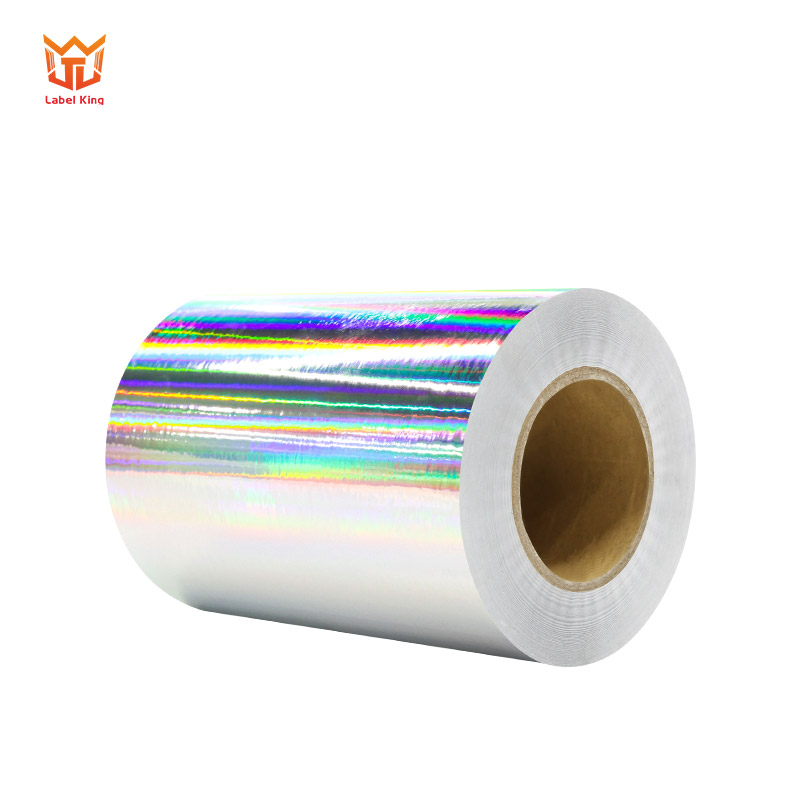
Selecting the right raw components prevents expensive downstream manufacturing failures. You must evaluate three crucial dimensions before approving a mass production run. First, consider baseline thickness and overall stiffness. Engineers call this conformability. Facilities typically evaluate standard gauges ranging from 60µ to 80µ. Thicker films offer superior dispensing speeds on automated labeling lines. They do not tear easily under machine tension. However, they lack physical flexibility. Stiff films may flag or lift at the edges over time. This lifting happens frequently on highly curved or squeezable plastic containers due to hoop stress. Match your material gauge directly to the exact container geometry. Second, examine your specific adhesive pairing. The best film fails instantly if the glue cannot properly bond to the container. You must match the chemistry to the environment.
Adhesive Technology | Primary Chemical Advantages | Ideal Application Scenarios |
|---|---|---|
Hot-Melt Adhesive | Extremely high initial tack. Bonds aggressively to rough surfaces. | Cardboard boxes, textured plastics, and standard ambient warehouse storage. |
Acrylic Adhesive | Superior UV stability. Excellent broad temperature resistance. | Clear aesthetic requirements, outdoor storage, and deep cold chain environments. |
Finally, frame your liner selection carefully. The liner carries the label securely through your die-cutting machine. A standard 60g white glassine liner handles most basic roll-to-roll applications perfectly. Conversely, high-speed automated dispensing requires extreme tensile strength. A robust PET liner prevents web snapping during aggressive manufacturing speeds. Broken webs cause massive downtime costs. Always consult your specific machinery tension specifications first.
How does this specialized film stack up against competing substrates? A direct operational comparison reveals precise mechanical advantages. You must weigh these technical factors against your available budget. Vs. Standard Coated Paper Paper remains the absolute cheapest option available globally. However, high-quality pearl film synthetic paper offers vastly superior tear resistance. It also provides total water immersion capabilities. Coated paper quickly disintegrates when it gets completely wet. Use basic paper for temporary logistics and shipping labels. Use the synthetic alternative for permanent, high-value consumer brand packaging. Vs. Standard White BOPP Both options utilize very similar base polymers. Yet, pearlized film offers significantly higher opacity ratings. The cavitated structure creates a distinctive, premium aesthetic texture. Standard white BOPP appears flat and somewhat translucent under bright retail lighting. Printers must routinely apply heavy white ink block-out on standard BOPP to hide dark liquids. The micro-voided structure naturally hides darker container contents without extra ink. Vs. PET (Polyester) Films Polyester provides extreme heat and harsh chemical resistance. However, it costs significantly more per square meter. The PP label material is generally much more cost-effective. It is also more environmentally friendly in specific sorting contexts. It easily integrates into mono-material PP packaging recycling streams. Recyclers do not need to manually separate the label from a matching bottle. One major functional drawback exists. Polypropylene has lower heat resistance compared to PET. Avoid using it for high-heat pasteurization processes.
Deploying new materials introduces hidden manufacturing risks. Proper preparation prevents expensive line stoppages and product waste. Die-cutting wear presents a significant initial engineering challenge. Synthetic papers inherently dull rotary die-cutting tools much faster than standard paper. You cannot use the exact same equipment pressure settings. Operators must carefully adjust tooling tension and anvil cylinder pressure. Blades must cut cleanly through the robust PP layer without accidentally scoring the delicate liner underneath. Scored liners directly cause web breaks during automated dispensing. Ink curing demands strict operational attention. We strongly warn against using standard water-based inks on this substrate. They simply will not dry correctly without heavy, expensive top-coating applications. The moisture cannot absorb into the plastic. Instead, we highly recommend utilizing UV-curable inks. UV inks contain photoinitiators. They instantly bond and harden when exposed to ultraviolet light. They prevent surface smudging entirely. They ensure crisp barcode legibility and highly vibrant brand colors. Finally, address your facility storage conditions. Surface treatments do not last forever. Corona treatment degrades steadily over time. Facilities should strictly highlight the standard six-to-twelve-month shelf life. Use your physical inventory within this window for optimal print receptivity. Store rolls in climate-controlled environments. Older rolls often require immediate re-treatment before commercial printing can successfully commence.
Selecting the correct packaging substrate requires a clear, evidence-based decision matrix. Brands should undoubtedly shortlist this cavitated material if they require specific functional features. It perfectly suits packaging applications needing high opacity, aggressive moisture resistance, and a premium visual finish. It successfully achieves all this on a surprisingly moderate production budget. To guarantee operational success, your procurement team must take deliberate action. First, request blank roll samples directly from your material supplier. Second, run rigorous die-cutting tension tests on your exact production equipment. Third, commission printed samples using your specific brand artwork and ink setups. Finally, perform aggressive chemical resistance and peel adhesion testing directly on your targeted container substrates. Never skip these validation steps before authorizing a full-scale commercial production run. Thorough testing protects your bottom line and preserves long-term brand integrity.
A: Yes, it is highly recyclable. It performs exceptionally well when applied directly to PP or PE plastic containers. This precise combination successfully supports mono-material recycling streams. Commercial recycling facilities can process the entire package together. They do not need to manually separate the label from the bottle, which greatly improves recycling efficiency.
A: It typically requires specialized thermal transfer printing technology. You must use high-quality wax-resin or full-resin ribbons for proper surface adhesion. Standard direct thermal or basic desktop inkjet printers will not work effectively. Their standard inks will not adhere permanently to the plastic surface without highly specialized, expensive top-coatings.
A: This substrate remains generally stable from -20°C to 80°C. The exact operational tolerance depends heavily on your chosen adhesive chemistry. This broad temperature range makes it perfectly suitable for deep cold storage and freezer environments. However, packaging experts strongly advise against using it for high-heat pasteurization or intense autoclave sterilization processes.
