

Views: 0 Author: Site Editor Publish Time: 2026-07-01 Origin: Site


Selecting the wrong label material brings high stakes to your production line. Label failures like curling, peeling, or ink smudging directly damage brand perception. They can also trigger serious regulatory compliance issues when critical product information becomes unreadable. Brands need highly reliable solutions to survive harsh retail and storage environments.
To avoid these disasters, manufacturers increasingly turn to matte white BOPP synthetic paper. It acts as a highly durable alternative to standard paper. Industry leaders favor it for its superior moisture resistance and premium tactile finish. The specialized matte surface delivers elegance while maintaining industrial-grade toughness.
This article provides a technical, BS-free framework for your next material selection. You will learn how to match specific BOPP properties directly to distinct product environments. We will guide you through evaluating adhesives, liners, and production line compatibility. By the end, you will know exactly how to architect a label stack designed for zero failure.
Matte white BOPP outperforms traditional paper in moisture, oil, and chemical resistance, making it essential for harsh-environment packaging.
Selection requires matching the material stack (facestock, adhesive, and liner) to the specific end-use: food (cold storage), cosmetics (squeezability/oils), or chemicals (corrosion resistance).
Evaluating adhesive types (acrylic vs. hot-melt) is just as critical as the BOPP facestock itself.
Always test roll samples on actual production lines to verify printer compatibility (UV inkjet, flexo, etc.) and die-cutting performance before bulk ordering.
Standard paper labels degrade rapidly under everyday stressors. They absorb moisture through capillary action. This moisture breaks down the fragile paper fibers. The label then disintegrates or peels away. Glossy synthetics introduce different problems entirely. They often look cheap under harsh retail lighting. They also cause barcode scanning glare. This unwanted glare disrupts automated retail logistics and frustrates cashiers. You need a much better structural foundation.
Biaxially Oriented Polypropylene (BOPP) solves these physical issues at the molecular level. Manufacturers stretch the polymer film in two distinct directions during production. The cross-directional stretching process exponentially increases tensile strength. It yields superior dimensional stability. Dimensional stability prevents the material from snapping under tension. High-speed commercial labeling machines require this exact consistency to prevent downtime.
Choosing a high-quality plain BOPP label material gives you the perfect foundation for custom printing. You gain excellent opacity and tear resistance. We do not claim these labels are entirely indestructible. Extreme industrial impacts will still damage them. However, they easily survive environments where paper fails instantly. They resist tearing during rough warehouse handling. They maintain their shape despite severe temperature fluctuations. The matte finish eliminates unwanted light reflection. It enhances barcode scannability. It also delivers an elegant aesthetic preferred by modern consumers.
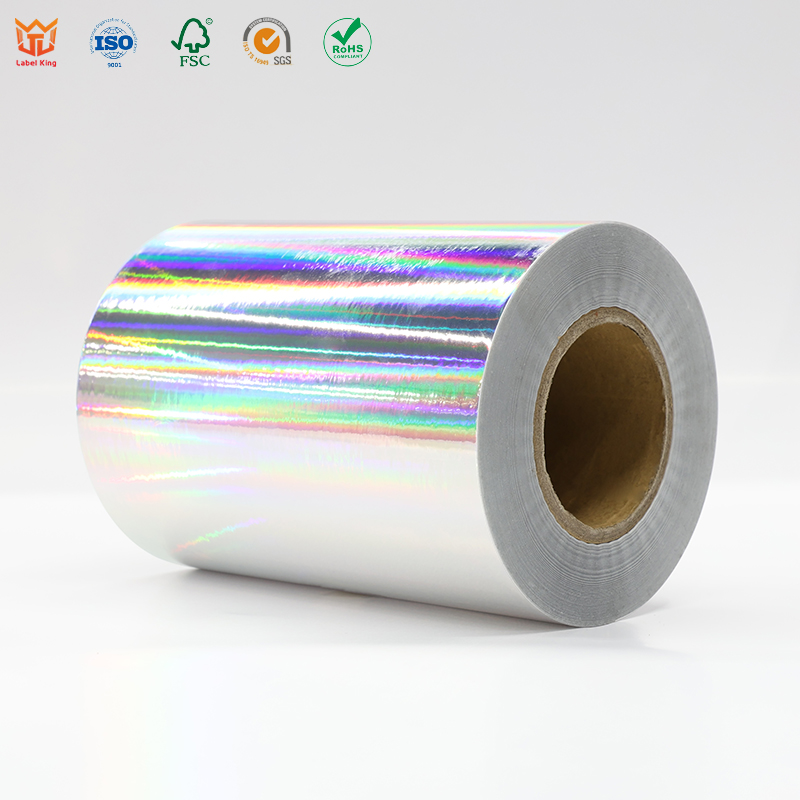
Different industries subject labels to vastly different physical stresses. You must evaluate specific success criteria before ordering. You base these criteria entirely on the product lifecycle. A label sitting on a humid bathroom shelf faces different threats than one inside a commercial blast freezer.
Industry Vertical |
Primary Environmental Stressor |
Critical Material Requirement |
Common Application |
|---|---|---|---|
Food & Beverage |
Condensation & Freezing |
Moisture Barrier & Cold-Temp Adhesives |
Refrigerated Jars, Frozen Goods |
Cosmetics & Beauty |
Essential Oils & Curvature |
Oil Resistance & Substrate Flexibility |
Dropper Bottles, Squeeze Tubes |
Daily Chemicals |
Solvents & Heavy Scuffing |
Chemical Resistance & Durability |
Detergent Jugs, Spray Bottles |
Refrigerated goods, frozen foods, and condensation-heavy environments rely heavily on durable labeling. Glass bottles moving from cold storage to room temperature immediately develop condensation. This surface moisture acts as a primary stressor.
Moisture resistance ranks first during evaluation. Condensation destroys unprotected paper within hours. You must also verify FDA-compliant indirect food contact adhesives. Standard adhesives turn brittle and fail in deep freeze scenarios. You need to distinguish between performance in blast-freezing environments versus standard chill conditions. The label must bond securely before the surface moisture builds up. Specialized cold-temperature adhesives maintain their tackiness even at sub-zero temperatures.
We see these labels applied to essential oil dropper bottles. We see them on premium lotions. We see them on flexible squeeze tubes. The typical bathroom environment introduces constant humidity. Users often handle the containers using oily or wet hands.
Resistance to oil degradation remains non-negotiable here. Citrus oils and synthetic fragrances quickly dissolve weak adhesives. Flexibility also matters immensely. The label must conform smoothly to curved containers. Edge flagging occurs when stiff materials try to peel away from tight curves. A premium non-reflective aesthetic elevates the brand. It signals luxury and cleanliness to the consumer. The soft tactile feel of matte BOPP significantly enhances the unboxing experience.
Detergents, industrial solvents, and harsh spray bottles require rugged packaging. Users store these items under sinks or in dusty garages. Chemical leakage happens frequently during transport.
High chemical and solvent resistance ensures critical safety instructions remain legible. Solvents like acetone or bleach can melt inferior topcoats in seconds. You must evaluate long-term durability against aggressive scuffing. Repeated handling over several months severely tests the structural integrity. The matte BOPP successfully resists chemical penetration. It protects the printed ink layer beneath a highly durable synthetic surface.
BOPP forms only the top layer of your label. The real engineering happens underneath the surface. Making an informed decision requires evaluating the entire self adhesive label material construction. Ignoring the underlying layers leads to immediate dispensing failures.
A professional label stack contains three distinct functional layers:
Facestock: The visible BOPP layer receiving the printed ink.
Adhesive: The chemical bonding agent securing the facestock to the container.
Release Liner: The backing carrier ensuring smooth machine application.
Your adhesive choice dictates operational success. You must match the adhesive chemistry precisely to the container substrate.
Standard acrylic adhesives perform best for cosmetics and chemicals. Acrylic polymers offer excellent UV resistance. They remain perfectly clear over time without unsightly yellowing. They actively resist oxidation. This makes them ideal for clear glass or premium transparent plastics.
Hot-melt rubber adhesives excel on highly textured surfaces. They provide incredibly high initial tack. The rubber compound physically flows into microscopic surface gaps. You will want hot-melt for specific chilled food applications. It grabs onto cold, damp surfaces quickly. However, hot-melt lacks strong UV resistance. It can turn yellow if exposed to direct sunlight for extended periods.
The release liner heavily impacts your dispensing speed. A weak liner snaps under tension during high-speed application.
Glassine paper serves as the economical standard. Manufacturers use it for most standard roll-to-roll applications. It provides highly reliable performance for everyday semi-automatic dispensing. It tears easily by hand when operators need to separate batches.
PET liners represent a significant structural upgrade. You absolutely need PET for high-speed automated dispensing lines. The synthetic polyester backing possesses massive tensile strength. It prevents frustrating web breaks. Zero web breaks mean zero production line downtime. It also allows for thinner roll profiles. You fit significantly more labels onto a single roll.
Matte top-coatings interact uniquely across different printing technologies. You must understand these complex interactions before starting mass production. Ink adhesion ultimately defines the quality of the finished label.
Matte BOPP adapts exceptionally well to Flexography, UV Inkjet, and Thermal Transfer printing. Commercial presses handle the synthetic material effortlessly. UV inks cure instantly on the matte surface. They form a durable plasticized layer. Thermal transfer printers require specific resin or wax-resin ribbons. Pure wax ribbons will smudge immediately on BOPP film.
Water-based inks require special attention. You will need inline corona treatment on the film surface. Corona treatment increases the surface energy of the plastic. It allows the liquid ink to spread evenly and bond tightly. Alternatively, ensure the manufacturer applies specific receptive top-coatings. Failing to address ink chemistry leads to disastrous smearing.
Converting the material introduces physical risks. Choosing the wrong adhesive-to-liner ratio causes severe adhesive bleed. Cold flow describes how adhesive gradually oozes out from under the facestock. The glue seeps out during the die-cutting process. It gums up the rotary cutting blades. It leaves sticky residue on the press rollers. It ruins entire rolls of valuable material.
Always demand Technical Data Sheets (TDS) from your supplier. Never skip testing phases. Run a pilot print run. Conduct a dispense test on your actual production line. This simple step identifies hidden compatibility issues early. Apply the labels to your specific bottles. Leave them in the intended environment for 48 hours to observe performance.
Avoid these common implementation mistakes:
Skipping the pilot test on sharply curved or squeezable bottles.
Ignoring the need for inline corona treatment when using water-based inks.
Selecting an overly aggressive hot-melt adhesive for very thin liners.
Using pure wax thermal transfer ribbons instead of proper resin blends.
Finding a reliable manufacturing partner goes beyond basic material specs. You need a properly engineered labeling solution. A weak supplier creates severe supply chain bottlenecks.
Ask specific questions about batch-to-batch consistency. Do they provide written consistency guarantees? Color drift between production runs damages your retail shelf presence. The matte finish must look identical across multiple orders. Request ISO 9001 and FDA compliance documentation upfront. This vital paperwork protects you during sudden regulatory audits. It proves your packaging materials strictly meet safety standards.
Evaluate their minimum order quantities (MOQs). Can they scale operations alongside your brand growth? Custom slitting capabilities matter immensely. Suppliers slitting rolls to your exact press width reduce physical material waste. Finally, assess their supply chain reliability. Frequent raw material stockouts stall your entire manufacturing operation. Ask detailed questions about their raw material inventory reserves.
Choosing the correct synthetic paper involves strict strategic alignment. You must match your facestock, adhesive, and print technology directly to precise environmental demands. Prioritizing compatibility testing helps you avoid catastrophic line failures. Securing accurate technical data completely validates your regulatory compliance.
Align the adhesive chemistry with the specific container substrate.
Select the appropriate release liner based on dispensing machinery speed.
Match your printing methods to the correct surface top-coating.
Evaluate environmental stressors before confirming material specifications.
Take immediate action to secure your packaging process. Request a technical consultation from your material supplier. Download the relevant TDS for your specific application. Order a blank sample roll to conduct real-world application testing today.
A: Standard white BOPP typically features a glossy finish. This causes glare under retail lighting and can interfere with barcode scanners. Matte white BOPP uses a specialized topcoat. It eliminates glare, enhances barcode scannability, and provides a premium, soft tactile feel favored by luxury brands. It also expertly absorbs specific inks for crisper text.
A: It depends entirely on the tube's flexibility. BOPP offers some give but lacks the extreme stretchability of Polyethylene (PE). For slightly curved or semi-rigid containers, BOPP works beautifully. For highly squeezable cosmetic tubes requiring aggressive repeated compression, PE remains the strictly better choice. PE actively prevents unwanted edge flagging.
A: The BOPP facestock itself is completely waterproof. However, a fully waterproof label requires more than just the film. You must ensure the selected adhesive actively resists water immersion. You also need durable, water-resistant inks or a protective overlaminate. This prevents the printed design from smudging or washing away under moisture.
A: Commercial printing methods work best. Flexographic presses, UV inkjet systems, and thermal transfer printers handle BOPP exceptionally well. Do not use standard desktop laser or water-based inkjet printers. They will not adhere properly to the plastic film unless the material features a highly specialized, proprietary receptive topcoat.
