

Views: 0 Author: Site Editor Publish Time: 2025-11-10 Origin: Site


In modern manufacturing, logistics, and retail industries, labels are far more than decorative stickers — they are vital carriers of information that ensure traceability, compliance, and branding. However, in many sectors such as chemical production, food packaging, marine transport, and outdoor equipment, traditional paper labels fail to withstand exposure to water, oils, extreme temperatures, or UV light. This is where synthetic paper labels come in as a superior alternative.
Made from durable polymer materials instead of cellulose fibers, synthetic paper labels combine the printability of paper with the toughness of plastic. Their waterproof, tear-resistant, and chemical-resistant qualities make them indispensable for businesses that need labeling solutions capable of performing reliably in harsh or high-demand environments.
Synthetic paper is a type of printable substrate made primarily from polypropylene (PP), polyethylene (PE), or polyester (PET) resin. Unlike conventional paper that’s derived from wood pulp, synthetic paper is engineered using plastic polymers, which provide superior resilience and moisture resistance.
When transformed into labels, synthetic paper offers the appearance and texture of traditional paper but with performance features that make it suitable for demanding applications. The result is a label that prints beautifully, resists environmental degradation, and maintains legibility even after prolonged exposure to moisture, chemicals, or abrasion.
Synthetic paper labels typically consist of three layers:
Top printable layer – coated to accept inks or toners, ensuring vivid colors and sharp text.
Core polymer film – the main structural layer that provides strength and flexibility.
Adhesive and liner – for attachment to various surfaces such as glass, metal, or plastic.
The most commonly used resin, Biaxially Oriented Polypropylene (BOPP), offers an excellent balance between toughness and cost efficiency. PET-based labels, on the other hand, are preferred in extremely high-temperature environments due to their enhanced thermal stability.
Synthetic paper labels have rapidly gained popularity in industrial, commercial, and consumer applications due to their unique combination of durability, printability, and environmental benefits. Unlike traditional paper labels, they are engineered to perform in harsh and demanding environments while maintaining high-quality appearance and functionality. The following are the key advantages that make synthetic paper labels an ideal choice for modern labeling needs.
One of the most notable features of synthetic paper labels is their complete waterproofing. Traditional paper labels are composed of natural fibers that absorb water, leading to swelling, wrinkling, peeling, and eventual loss of legibility. In contrast, synthetic paper is manufactured from polymers such as polypropylene (PP) or polyethylene (PE), which repel water entirely.
This property makes synthetic paper labels highly suitable for applications where humidity, condensation, or direct water contact is unavoidable. For example:
Marine logistics: Shipping containers, marine equipment, and dockside machinery often face exposure to rain, saltwater spray, and high humidity. Synthetic labels remain intact and legible in these conditions.
Outdoor products: Garden tools, outdoor furniture, and sports equipment benefit from labels that resist environmental moisture and UV exposure.
Food and beverage packaging: Bottled drinks, frozen meals, and refrigerated products require labels that retain print clarity despite cold, wet, or humid storage conditions.
Even after prolonged exposure to moisture from rain, steam, or refrigeration, synthetic paper labels maintain crisp text, sharp barcodes, and vivid graphics, ensuring reliable traceability and fostering consumer trust.
Synthetic paper labels are designed to be tear-proof, puncture-resistant, and highly resilient. This makes them particularly valuable in industrial environments, manufacturing plants, construction sites, or transportation where packaging can be subjected to rough handling, stacking, or abrasion.
Traditional paper labels often fail under mechanical stress—they can rip, fade, or detach from surfaces during shipment or daily operations. Synthetic labels, however, maintain their integrity and adhesion even when exposed to high tension, heavy weight, or repeated friction.
Their durability extends beyond physical stress to temperature extremes. Depending on the base polymer used:
Polypropylene (PP) labels perform well in sub-zero conditions, ideal for frozen goods or refrigerated storage.
Polyester (PET) labels withstand heat exceeding 100°C, making them suitable for industrial machinery, sterilization processes, or hot liquid containers.
This combination of tear resistance, puncture resistance, and temperature tolerance ensures that synthetic paper labels outlast traditional alternatives, reducing the frequency of replacements and associated costs.
In many industrial and laboratory settings, labels must endure exposure to chemicals, solvents, oils, and acids without degrading. Synthetic paper labels provide exceptional chemical resistance, making them suitable for:
Chemical containers, drums, and vials
Lubricants, cleaning agents, and reactive substances
Pharmaceuticals and laboratory equipment
Additionally, synthetic paper labels offer UV stability, preventing discoloration, fading, or loss of print clarity when exposed to sunlight for prolonged periods. This property is critical for products used outdoors, in automotive applications, or in signage, where legibility and visual appearance must be preserved over time.
Despite being polymer-based, synthetic paper labels are engineered to offer excellent print quality across multiple printing technologies. The specially coated surface ensures that inks, toners, and dyes adhere firmly, allowing for vibrant graphics, sharp text, and scannable barcodes. Compatible printing methods include:
Offset printing for high-volume production
Flexographic printing for packaging and product labels
Thermal transfer printing for variable data and barcodes
Digital laser and inkjet printing for short runs and customization
The ability to support variable data printing (VDP) enables manufacturers to create serialized labels, batch codes, or QR codes for supply chain tracking, regulatory compliance, and anti-counterfeiting measures.
Sustainability is an increasingly important consideration in packaging and labeling. Many synthetic papers are produced from recyclable PP or PET resins, which can be reprocessed into new products, minimizing environmental impact. Because synthetic labels are more durable than conventional paper, they require fewer replacements, further reducing material consumption and waste generation.
Some manufacturers have even introduced bio-based or biodegradable synthetic films, combining performance with environmental responsibility. These innovations support circular economy goals, allowing businesses to deliver durable labels without compromising sustainability.
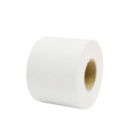
Because of their robust performance, synthetic paper labels have gained popularity across multiple industries:
From frozen meals to bottled drinks, moisture and temperature variations can easily damage ordinary labels. Synthetic paper ensures branding and ingredient information stay intact, even when stored in freezers or refrigerated environments. The material’s FDA compliance also makes it safe for direct food contact in many cases.
Bottles, drums, and vials containing solvents, acids, or disinfectants demand labels that can endure spills and exposure. Synthetic paper labels remain legible even when subjected to harsh chemicals or alcohol-based cleaners — critical for maintaining regulatory compliance and safety standards.
Labels for outdoor machinery, power tools, or warning signs must survive UV rays, rain, and abrasion. Synthetic paper offers a long-lasting solution, ensuring that hazard warnings, serial numbers, and user instructions remain visible throughout the product’s service life.
In supply chain and warehouse operations, packages are exposed to varying climates, rough handling, and mechanical friction. Synthetic paper labels resist tearing and smudging, allowing barcodes and QR codes to be scanned accurately from origin to destination — a vital factor for efficient tracking and inventory management.
For premium product packaging, aesthetics matter as much as durability. Synthetic paper labels provide a smooth, satin-like texture and high-quality printing surface that enhances brand presentation on lotions, perfumes, or shampoo bottles — all while withstanding moisture and oils.
Feature | Traditional Paper Labels | Film Labels (e.g., PE, PET) | Synthetic Paper Labels |
Water Resistance | Poor | Excellent | Excellent |
Tear Resistance | Low | High | Very High |
Printability | Excellent | Limited | Excellent |
Chemical Resistance | Weak | Strong | Strong |
Cost | Low | Medium | Medium |
Eco-Friendliness | Moderate (biodegradable) | Variable | Recyclable and long-lasting |
Applications | Indoor, dry conditions | Industrial and outdoor | Versatile: both indoor and harsh environments |
As shown above, synthetic paper bridges the gap between print performance and durability, making it the ideal labeling medium for businesses that operate in mixed
When reliability matters most, synthetic paper labels stand out as the ultimate combination of performance, aesthetics, and longevity. Their waterproof nature ensures data integrity in wet or humid conditions. Their durability guarantees legibility through friction, heat, or sunlight. And their print compatibility supports high-quality branding and compliance across global industries.
In short, switching to synthetic paper labels is not just a material choice — it’s a strategic decision that enhances operational reliability, reduces waste, and elevates product presentation.
If your business demands labeling solutions that can withstand extreme conditions while maintaining top-tier visual quality, consider partnering with Foshan LabelKing Technology Co., Ltd.
As a leading manufacturer of synthetic paper label materials, LabelKing offers customizable, high-performance labeling solutions for industrial, commercial, and consumer applications. Their expertise in precision coating, printing compatibility, and sustainable production ensures that every label meets the highest international standards.
To explore how synthetic paper labels can improve your product performance and brand image, visit Foshan LabelKing Technology Co., Ltd. for more information or to discuss tailored solutions for your business.
