

Views: 0 Author: Site Editor Publish Time: 2026-03-09 Origin: Site


In today's commodity-driven society, self-adhesive labels have become an indispensable information carrier and identification tool, deeply embedded across all industries as a vital link connecting products, brands and consumers. Far from being mere packaging accessories, they represent a comprehensive solution integrating materials science, printing techniques and intelligent applications. With their exceptional adaptability and functionality, these labels underpin the efficient operation of modern commerce.
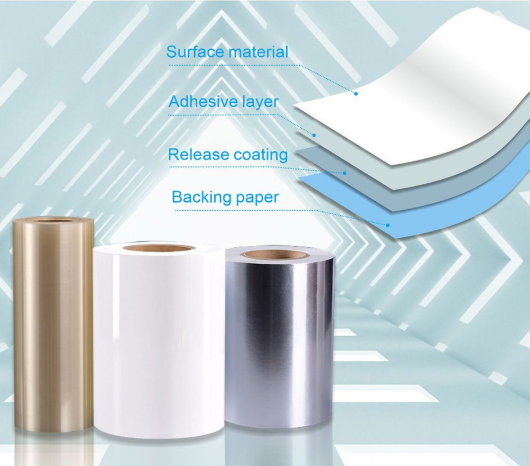
1. Face Material: The substrate layer of the label, which may be selected according to requirements from coated paper, specialty paper, plastic films (such as BOPP or PET), or metallic foil. This determines the label's texture, durability, and visual appearance.
2. Adhesive: The ‘soul’ of the label, responsible for its secure attachment to the substrate surface. The adhesive type (permanent, removable, freezer-grade, high-temperature grade, etc.) directly dictates the label's application scenarios and performance boundaries.
3. Release liner: Commonly termed ‘release paper’ or ‘laminated film’, typically comprising silicon-coated kraft paper or plastic film. Its function is to support the face material and protect the adhesive, enabling effortless removal during application.
This ‘peel-and-stick’ characteristic delivers unprecedented efficiency and convenience across production lines, warehousing, logistics, and daily office operations.
The value of self-adhesive labels lies in their remarkable versatility and functional specificity, playing an irreplaceable role across diverse sectors:
1. Commodity Circulation and Brand Marketing Sector:
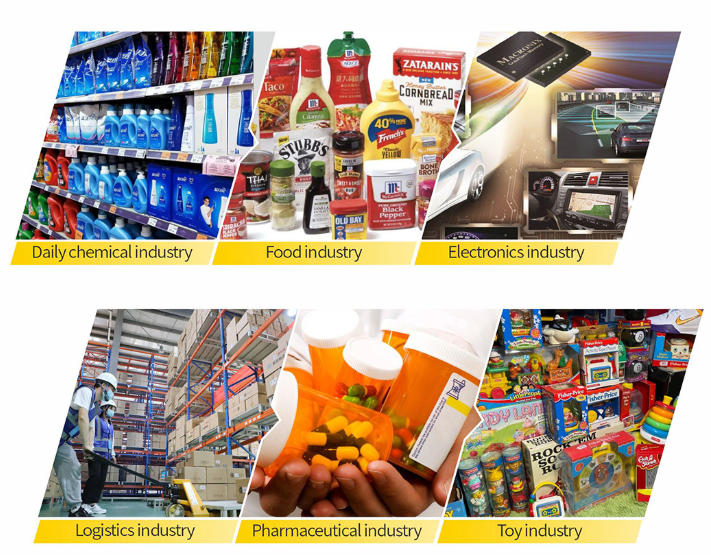
On retail shelves, self-adhesive labels serve as the product's “silent salesperson”. Exquisite printing designs and distinctive material techniques (such as hot foil stamping, embossing, and spot UV) instantly capture consumer attention, effectively conveying brand values and product character. Simultaneously, they bear all legally mandated information—such as ingredient lists and best-before dates for foodstuffs, or dosage instructions and warnings for pharmaceuticals—demonstrating a brand's responsibility to consumers and forming the bedrock of market trust.
2. Logistics, Warehousing, and Supply Chain Management:
Within global supply chains, self-adhesive labels serve as the ‘digital identity card’ for goods. Labels bearing product names, specifications, batch numbers, and barcodes/QR codes are central to enabling automated warehousing, precise sorting, efficient inventory management, and rapid dispatch. Their high adhesion and abrasion resistance ensure the integrity and legibility of identification information during long-distance transport and multiple handling operations, guaranteeing transparency and traceability of logistics data.
3. Industrial Production and Product Identification Sector:
Within industrial settings, self-adhesive labels serve as ‘management tools’ for assets and processes. From equipment nameplates and circuitry markings to asset numbering, they provide clear, enduring identification solutions. Labels with specialised properties—such as high-temperature resistance, corrosion resistance, and oil resistance—meet the demands of harsh industrial environments, ensuring information remains effectively accessible throughout a product's entire lifecycle.
4. Security, Anti-Counterfeiting, and Smart Interaction Sector:
For high-value brands or sensitive goods, self-adhesive labels serve as ‘security guardians’. By integrating holographic images, anti-counterfeit inks, tamper-evident (VOID) technology, and variable QR codes, they establish formidable anti-counterfeiting barriers, safeguarding brand integrity and consumer rights. Simultaneously, QR codes bridge physical products with the digital realm, enabling traceability, marketing engagement, and enhanced user experiences, thereby breathing new life into traditional packaging.
三、 Considerations for Choice and Innovation
Selecting the appropriate label is a systematic undertaking requiring comprehensive consideration of:
· Surface material of the substrate: such as glass, plastic, metal, rough or multi-curved surfaces, necessitating matching adhesives.
· Operating environment: indoor, outdoor, refrigerated, frozen, high-temperature, humid conditions, or exposure to chemicals, which determine the required resistance levels of the face material and adhesive.
· Service life: Short-term promotional labels and durable labels intended to accompany products throughout their lifecycle demand entirely different material specifications.
· Regulatory requirements: Labels for industries such as food, pharmaceuticals, and toys must comply with safety standards for materials in direct or indirect contact.
With technological advancements, self-adhesive labels continue evolving towards greater environmental sustainability (e.g., using recycled materials and water-based adhesives), enhanced intelligence, and more innovative sensory experiences.
In summary, self-adhesive labels have transcended their physical limitations through sophisticated construction, broad adaptability, and robust functionality. They now serve as strategic elements that empower products, optimise processes, ensure safety, and drive marketing. Within their compact dimensions, they embody brand commitments, managerial acumen, and technological innovation, forming an indispensable precision component within the modern commercial ecosystem.
