

Views: 0 Author: Site Editor Publish Time: 2026-03-09 Origin: Site


In contemporary packaging design, brands continually seek a delicate equilibrium: how to maximise the perceived quality of the contents without compromising the clarity of product information? Thus, the ‘label-free’ design concept emerged and swiftly became a dominant trend across sectors such as food, beverages, and cosmetics. Within this trend, double-transparent self-adhesive labels have emerged as the pivotal material for realising this design philosophy. Boasting exceptional physical properties and distinctive visual effects, they are redefining the boundaries of clean aesthetics and practicality in packaging.
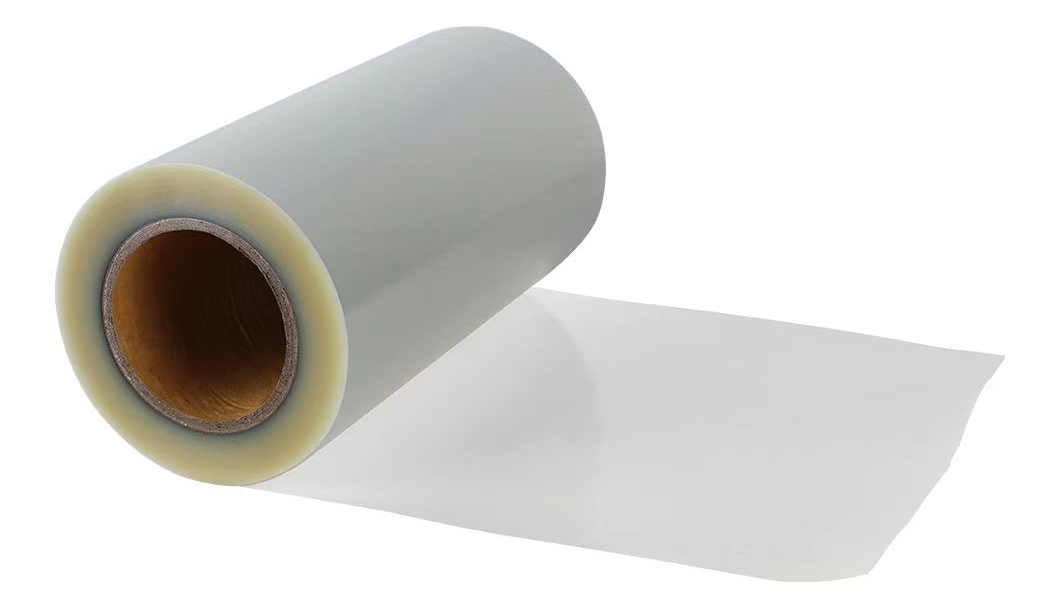
As the name suggests, double-transparent self-adhesive film is a (biaxially oriented polypropylene) film adhesive material where both the face material and adhesive possess high transparency. It breaks the visual limitations of traditional label materials, no longer treating the label as a “patch” covering the packaging. Instead, it seamlessly integrates into the container itself, creating an immersive visual experience where label and product become one.
The ‘dual transparency’ characteristic of double-transparent self-adhesive labels stems from their precise layered structure:
High-transparency face material: Utilising optical-grade film, which inherently possesses exceptionally high light transmittance and minimal haze, ensuring the substrate remains crystal-clear and translucent even after printing.
Highly transparent adhesive layer: A specially formulated transparent latex or acrylic adhesive featuring exceptional clarity, excellent weather resistance, and strong cohesive properties. Upon application, it exhibits no yellowing or fogging, forming a crystal-clear bond with various bottle substrates including PET, glass, and HDPE.
High-transparency backing paper: Typically utilising glassine release paper, this ensures effortless peelability while its smooth, transparent properties further guarantee the material's overall translucency.
When applied to transparent containers, light passes unimpeded through the label's face material and adhesive layer, reaching the inner surface of the container before reflecting back. To the human eye, only the printed graphics remain visible, while the label's backing “disappears” into the background. This creates the illusion that the graphics are printed directly onto the bottle itself, achieving a visual “invisibility” effect.
二、 Core Performance Advantages: Practical Value Transcending Aesthetics
The appeal of double-sided transparent self-adhesive labels extends far beyond mere aesthetics. They inherit the superior properties of material while imparting new value.
Ultimate visual expressiveness:
No-label look: Maximises the display of the contents' colour and texture, enhancing the product's freshness and premium feel. Particularly suitable for juice, mineral water, skincare products, etc.
‘Suspended’ printing: Graphics appear to float within the bottle, creating a unique sense of depth and dimension that elevates the packaging's design and artistic appeal.
Outstanding physical and chemical properties:
Superior water resistance and moisture resistance: Completely unaffected by moisture, it does not warp or mould like paper, making it suitable for refrigerated and chilled environments.
Exceptional chemical resistance: Exhibits robust resistance to oils, weak acids, alkalis, and alcohols, making it an ideal choice for packaging cosmetics and certain food products.
High tear resistance and dimensional stability: material possesses high tensile strength, resisting tears and damage during labelling and transportation. Its excellent thermal stability prevents shrinkage or deformation due to temperature fluctuations.
Outstanding processing and labelling adaptability:
Excellent print adaptability: Compatible with UV letterpress, flexography, offset and digital printing, offering high colour fidelity and exceptional detail reproduction.
High labelling success rate: The material possesses good stiffness, minimising curling and label misalignment on high-speed automatic labelling machines. It adheres tightly to the bottle surface, eliminating bubbles and wrinkles.

三、 Extensive application scenarios: empowering multiple industries
Double-sided transparent self-adhesive labels find application across virtually all sectors demanding pristine, high-end visual presentation.
Beverage Industry: Mineral water, purified water, tea beverages, fruit juices, etc. Transparent bottles paired with double-transparent labels perfectly showcase the clarity of the water, creating a minimalist, pure consumer experience.
Food & Condiments: Cooking oils, soy sauce, vinegar, honey, etc. Directly displaying the natural hues of ingredients stimulates consumer purchasing desire while conveying a philosophy of health and purity.
Personal Care & Cosmetics: Shampoo, shower gel, serums, skincare products. Emphasises the crystalline texture of the product itself, creating a sense of technological sophistication and purity, elevating brand prestige.
Home Cleaning Products: Laundry detergent, fabric softener, cleaning agents. Showcases the liquid colour while the label possesses excellent chemical resistance, ensuring it remains intact and clear without fading or blurring over prolonged use.
To fully realise the potential of double-sided transparent self-adhesive labels, the following considerations are essential during printing and processing:
White Undercoat: Given the label's transparency, achieving vibrant original colours typically requires a full-coverage white ink undercoat. Conversely, for an ‘invisible’ effect, selective printing or omitting the white undercoat may be employed.
Surface finish: Select gloss or matt laminate according to design requirements. Gloss laminate enhances the label's brilliance and transparency, whilst matt laminate imparts a sophisticated, soft tactile and visual experience.
Adhesive selection: Choose an appropriate transparent adhesive based on the container material (PET, PE, glass, etc.) and contents' properties (presence of oil or alcohol) to ensure secure labelling and long-term durability.

With growing environmental awareness, double-permeable self-adhesive labels continue to advance along the path of sustainable development. material itself falls within the recyclable polypropylene (PP) category. When employing single-material packaging designs—such as PP bottles paired with labels—the entire packaging unit can more readily enter the PP recycling stream. This minimises the impact of labels as foreign objects on the recycling process, thereby contributing to the circular economy.
Conclusion
Double-sided transparent adhesive labels are far more than mere decorative materials; they represent a significant leap forward in packaging design philosophy. By ingeniously blending cutting-edge materials science with contemporary aesthetic demands, they deliver robust physical protection while granting product designers unprecedented creative freedom. From conveying the purity of a bottle of water to accentuating the preciousness of a single drop of essence, double-transparent self-adhesive labels are becoming a potent tool for brands seeking to differentiate their products and capture consumer attention through their unique charm of ‘revealing true quality in subtlety’. For brands determined to stand out in the marketplace, gaining a deep understanding of and skilfully utilising this material will undoubtedly secure a competitive edge in the fiercely contested market
