

Views: 0 Author: Site Editor Publish Time: 2025-11-03 Origin: Site


In the packaging and labeling industry, the choice of paper material plays a critical role in product presentation, durability, and overall brand image. While traditional paper has been a staple for decades, the rise of synthetic alternatives has introduced more versatile, durable, and high-performance options. Among these, BOPP Synthetic Paper stands out due to its exceptional physical properties, printability, and adaptability across various industries.
As consumer expectations for packaging quality increase, companies are seeking materials that not only protect their products but also enhance brand perception. The ability to resist environmental factors, maintain visual appeal, and support high-quality printing has become increasingly important. BOPP Synthetic Paper addresses these needs effectively, offering a balance between strength, aesthetics, and functionality. This article explores the differences between BOPP Synthetic Paper and traditional paper, examining aspects such as physical properties, print quality, durability, environmental considerations, cost-effectiveness, and industrial applications. By understanding these key differences, businesses can make informed decisions to enhance packaging quality, ensure label longevity, and improve brand perception.
Traditional paper is primarily made from wood pulp or recycled fibers through a process of pulping, pressing, and drying. It has been widely used for labels, packaging, and printing due to its affordability, accessibility, and ease of handling. Traditional paper comes in coated and uncoated varieties, with differences in texture, thickness, and finish depending on its intended application. Its surface is relatively porous compared to synthetic alternatives, which can affect the quality of printing and durability under challenging conditions.
Despite its widespread use, traditional paper has inherent limitations due to its fiber-based composition. It absorbs moisture easily, tears under stress, and can degrade when exposed to environmental factors such as humidity, oils, or chemicals. To improve performance, manufacturers often apply additional coatings or laminates, but these solutions increase production costs and may complicate recycling processes.
Traditional paper is commonly used in:
Book printing, notebooks, and stationery
Basic packaging such as paper bags or cartons
Labels for products with short-term usage
Marketing materials including brochures, flyers, and posters
Its widespread availability and low initial cost have contributed to its long-standing use, but in many modern applications, these advantages are offset by performance shortcomings, particularly in environments requiring durability, water resistance, or chemical stability.
Traditional paper offers some benefits, including cost-effectiveness, ease of handling, and compatibility with many printing processes. However, its limitations include:
Low tear resistance, making it prone to damage during handling and transport
Poor water and moisture resistance, which can lead to warping or smudging
Limited chemical resistance, reducing suitability for industrial applications
Moderate print quality that may not support premium finishes or fine graphics
These factors have prompted many industries to explore synthetic alternatives like BOPP Synthetic Paper, which provide enhanced functionality without sacrificing visual quality.
BOPP (Biaxially Oriented Polypropylene) Synthetic Paper is a polymer-based material made from polypropylene that undergoes a biaxial orientation process. This stretching in both machine and transverse directions improves strength, dimensional stability, and flexibility, giving the material enhanced mechanical performance. Unlike traditional paper, BOPP Synthetic Paper combines the visual qualities of paper with the durability and chemical resistance of plastic.
The composition allows for consistent thickness and surface quality, which ensures reliable print performance. Its structure makes it highly resistant to tearing, folding, or other forms of physical damage, making it suitable for both high-volume production and specialized applications.
Exceptional tear and abrasion resistance
Waterproof and moisture-resistant properties
Chemical resistance against oils and solvents
Smooth, printable surface for high-resolution graphics
Temperature stability under varying environmental conditions
Flexibility in thickness, size, and finishing options
BOPP Synthetic Paper is used extensively in industries where labels need to retain their appearance and functionality over time. Its physical and aesthetic properties make it ideal for food and beverage labels, cosmetic packaging, pharmaceuticals, industrial labeling, logistics, and premium product labels. The material ensures consistent performance across different conditions, enabling brands to maintain a professional and visually appealing presentation.
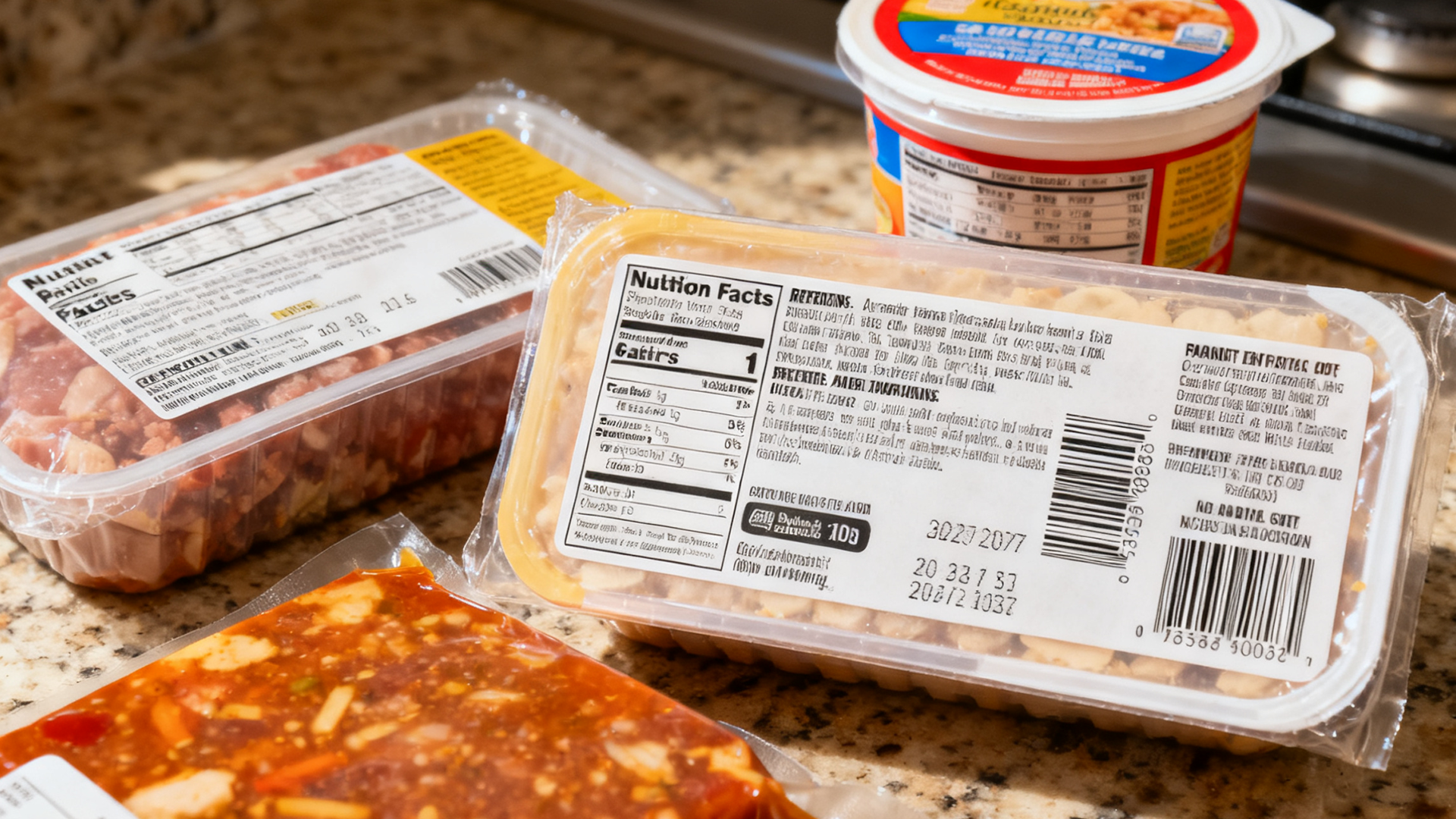
One of the primary advantages of BOPP Synthetic Paper is its exceptional durability. Traditional paper is prone to tearing and creasing, especially during transport or in environments with mechanical stress. In contrast, BOPP Synthetic Paper retains its structural integrity, even under repeated handling or exposure to adverse conditions. This reduces waste from damaged labels and ensures that products remain professionally presented from production to end use.
Traditional paper readily absorbs moisture, causing warping, smudging, and potential loss of readability. BOPP Synthetic Paper, on the other hand, is inherently waterproof and highly resistant to moisture. Its surface remains unaffected by water or humid conditions, ensuring labels remain intact and legible. This feature is particularly important for products stored in cold, damp, or wet environments.
BOPP Synthetic Paper is chemically stable, resistant to oils, cleaning agents, and common solvents. Traditional paper, in contrast, can degrade or discolor when exposed to chemicals, making it unsuitable for many industrial or laboratory applications. Chemical resistance ensures that BOPP Synthetic Paper labels maintain their integrity and readability over long periods, even in challenging conditions.
BOPP Synthetic Paper withstands extreme temperature variations without warping or compromising print quality. Traditional paper may become brittle in cold environments or deform under heat. Temperature stability makes BOPP Synthetic Paper suitable for products stored or transported under a wide range of environmental conditions.
Property | Traditional Paper | BOPP Synthetic Paper |
Tear Resistance | Low | High |
Water Resistance | Low | Excellent |
Chemical Resistance | Low | Excellent |
Temperature Stability | Low | High |
Print Surface Quality | Moderate | High |
Longevity in Harsh Conditions | Low | High |
BOPP Synthetic Paper features a smooth, uniform surface that enhances print quality. Graphics are sharp, colors appear vibrant, and fine details are reproduced accurately. Traditional paper’s porous and uneven surface can lead to inconsistent print results, which may affect brand presentation and consumer perception.
BOPP Synthetic Paper supports advanced finishing techniques such as:
UV printing for long-lasting, fade-resistant graphics
Embossing and debossing for tactile effects
Metallic foiling and spot varnishing for premium aesthetics
Matte or glossy coatings for customized appearance
These options allow brands to create labels that not only perform well but also convey a premium, professional image.
High-quality labels significantly influence consumer perception. The smooth surface and print versatility of BOPP Synthetic Paper support high-end design requirements, helping businesses communicate reliability, sophistication, and attention to detail. Traditional paper may fail to provide the same level of visual impact, potentially reducing perceived product quality.
BOPP Synthetic Paper outperforms traditional paper in terms of longevity and functional performance. Its resistance to tearing, water, chemicals, and temperature variations ensures labels maintain their appearance and readability over extended periods. This reduces the need for replacements and contributes to operational efficiency, especially in industries requiring long-lasting labeling solutions. The material’s consistency allows for reliable printing and handling across multiple production runs, ensuring minimal waste and higher overall efficiency.
While traditional paper is biodegradable, it often requires coatings or laminates that complicate recycling. BOPP Synthetic Paper, although polymer-based, offers recyclable variants and helps reduce waste due to its extended lifespan. By using durable, recyclable synthetic paper, companies can support sustainability initiatives, minimize material consumption, and reinforce an environmentally responsible brand image. Additionally, the reduced need for replacements contributes to overall waste reduction, making BOPP Synthetic Paper a sustainable alternative without compromising functionality or aesthetics.
Although BOPP Synthetic Paper may have a higher initial cost than traditional paper, its long-term benefits justify the investment. Key advantages include:
Reduced replacement and maintenance costs due to durability
Elimination of additional coatings or laminates for protection
Lower risk of product damage from label failure
Enhanced brand value through premium appearance
The combination of durability, aesthetic quality, and operational efficiency makes BOPP Synthetic Paper a cost-effective solution in the long run, particularly for businesses producing high-volume labels or requiring premium packaging solutions.
BOPP Synthetic Paper labels remain intact and visually appealing under moisture, oil, and temperature fluctuations. They help preserve brand visibility while maintaining readability and durability.

Smooth surfaces and excellent printability allow for high-resolution graphics and advanced finishing techniques, enhancing product presentation and consumer perception.
Chemical and water resistance ensure labels remain legible and comply with regulatory requirements throughout storage and handling, supporting safety and reliability.
Resistance to mechanical stress, chemicals, and environmental variations makes BOPP Synthetic Paper ideal for asset tracking, machinery labeling, and other industrial applications.
Luxury and high-end products benefit from BOPP Synthetic Paper’s premium print capabilities and surface quality, elevating brand presentation and supporting market differentiation.
Comparing BOPP Synthetic Paper with traditional paper underscores the synthetic material’s superior durability, water and chemical resistance, print quality, and versatility. BOPP Synthetic Paper provides high-performance labeling solutions suitable for diverse industries, ensuring long-lasting, visually appealing, and reliable labels.
For companies seeking to enhance packaging quality, reduce maintenance costs, and elevate brand perception, BOPP Synthetic Paper is an optimal choice. Its adaptability across industries—from food and beverage to cosmetics, pharmaceuticals, industrial, and premium products—makes it a durable, functional, and environmentally conscious solution. Businesses can further benefit from expert guidance and customized solutions offered by professional suppliers, such as Foshan LabelKing Technology Co., Ltd., to source high-quality BOPP Synthetic Paper and achieve consistent, premium labeling results.
