

Views: 0 Author: Site Editor Publish Time: 2026-03-03 Origin: Site


BOPP (Biaxially Oriented Polypropylene) synthetic paper has become one of the most widely used materials in various industries, especially for labeling and packaging purposes. With its enhanced durability, superior printability, and environmental resistance, it has revolutionized the way products are labeled, packaged, and marketed.
In the modern world of packaging, the need for durable, high-quality materials is greater than ever. BOPP synthetic paper has gained significant attention for its ability to withstand environmental challenges while providing excellent print quality. Whether used for labels, packaging, or signage, BOPP synthetic paper offers a versatile solution for businesses across multiple industries. Its unique combination of paper-like appearance and plastic-like durability sets it apart as a superior option for various applications. As consumer expectations continue to grow for better-performing packaging materials, BOPP synthetic paper answers the call with its range of features.
BOPP synthetic paper has gained significant traction in the packaging and labeling industries because of its durability, versatility, and environmental resistance. It combines the best qualities of plastic with the aesthetic appeal of traditional paper, making it ideal for applications where strength and appearance are paramount.
BOPP Synthetic Paper is a type of plastic material made from biaxially oriented polypropylene. Unlike traditional paper, which is made from wood pulp, BOPP synthetic paper is derived from polypropylene resin that undergoes an extrusion process, followed by a biaxial stretching (orientation) process. This unique manufacturing process results in a material that combines the advantages of both paper and plastic.
Polypropylene is a thermoplastic polymer commonly used for various types of plastic products. When this resin is extruded and oriented, the resulting material is strong, durable, and resistant to environmental factors like water, oils, and chemicals. BOPP synthetic paper retains the appearance and feel of paper, but its durability makes it far superior to regular paper in a wide range of conditions.
Composition:
Polypropylene Resin: The core material used to create BOPP.
Additives: These improve the material's strength, flexibility, and other properties such as UV resistance, heat resistance, and better printability.
Coating: BOPP synthetic paper may sometimes be coated with a special primer or adhesive to enhance its surface for printing.
BOPP synthetic paper is usually composed of multiple layers, including a core layer of polypropylene and various surface treatments for printing and durability. The outer layers consist of polypropylene, which provides strength, while the middle layer may contain various additives to enhance the material's properties. This layered structure makes the material both lightweight and strong, offering a significant advantage over traditional paper. The orientation of the polypropylene molecules in two directions adds additional strength and resistance to wear and tear.
The result is a material that is resistant to water, oils, and other environmental stressors. It also provides excellent print quality, making it the ideal choice for high-performance labels.
The manufacturing of BOPP synthetic paper involves a multi-step process that begins with polypropylene resin. Here's a breakdown of the process:
Extrusion: Polypropylene resin is melted and extruded through a die to form a film. During extrusion, the polypropylene is heated until it melts and then forced through a die to form a thin sheet or film.
Biaxial Orientation: The extruded film is stretched in both the machine direction (MD) and the transverse direction (TD), which aligns the polymer molecules and increases the film's strength and clarity. This process significantly improves the film’s dimensional stability and enhances its mechanical properties.
Cooling: The stretched film is then cooled to solidify the structure. The cooling process allows the material to maintain its stretched shape, ensuring its rigidity and durability.
Coating (optional): Some BOPP synthetic papers are coated with a layer of adhesive or a primer to improve printing quality. The coating helps the ink adhere to the surface better, ensuring vibrant and long-lasting prints.
The result is a material that has excellent mechanical properties, including high tensile strength, resistance to tearing, and the ability to withstand high temperatures. These qualities make BOPP synthetic paper an ideal choice for applications that demand strength and durability.
Polypropylene Resin: The core material used to create BOPP.
Additives: Various chemicals may be added to improve properties like clarity, opacity, and flexibility. These include UV stabilizers, slip agents, and antistatic agents.
Coating Material: For enhanced printing properties, certain BOPP papers may receive a coating, such as a primer layer, to improve adhesion with inks and toners used in various printing processes.
The materials used in the production process ensure that BOPP synthetic paper is capable of withstanding harsh conditions, including exposure to moisture, oils, and environmental factors like UV radiation.
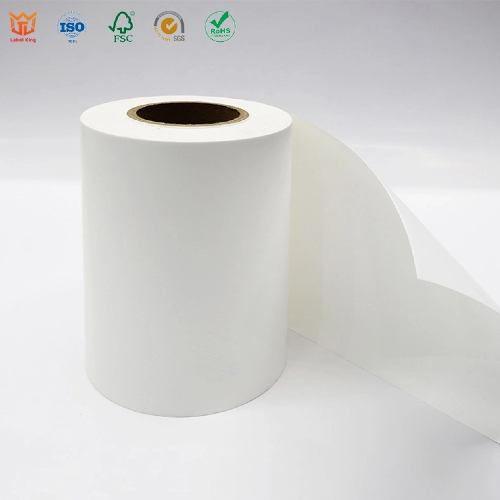
BOPP synthetic paper offers several distinct advantages over traditional paper materials. These benefits make it ideal for a wide range of applications, particularly in labeling and packaging.
One of the key benefits of BOPP synthetic paper is its durability. Unlike traditional paper, which can tear or become damaged in moist environments, BOPP synthetic paper is tear-resistant and highly durable. This makes it suitable for products exposed to harsh conditions, such as outdoor labeling or packaging. The unique structure of BOPP synthetic paper also makes it resistant to creasing, bending, and abrasion, ensuring that the label or packaging remains intact even in challenging environments.
BOPP synthetic paper has excellent resistance to moisture, oils, chemicals, and other environmental factors. This makes it ideal for food packaging, pharmaceuticals, and cosmetics—all of which often require materials that will maintain integrity in varying conditions. Its resistance to water makes it especially useful for products that will be stored in humid or wet environments, such as beverages, cleaning products, or frozen goods. Furthermore, its ability to withstand oils and chemicals makes it suitable for industries such as automotive and electronics, where exposure to such substances is common.
BOPP synthetic paper provides an excellent surface for printing. Its smooth surface ensures that prints are sharp, vibrant, and long-lasting. This makes it a popular choice for high-quality labels, as the material holds ink better than many traditional papers. The glossy or matte finish of BOPP synthetic paper enhances the visual appeal of labels, allowing brands to create more eye-catching and professional-looking packaging and product labels.
BOPP synthetic paper has a wide variety of uses across different industries. Its properties make it ideal for environments where durability and print quality are essential.
BOPP synthetic paper is commonly used for packaging and labeling in industries like food, beverages, pharmaceuticals, and cosmetics. Its water-resistant and durable qualities allow it to withstand exposure to moisture, oils, and other substances commonly found in these industries. Additionally, BOPP synthetic paper can withstand high-speed automation processes, making it ideal for mass production environments.
BOPP synthetic paper is a go-to choice for producing:
Product labels: Especially for beverages and consumer goods that need to be resistant to wear and tear.
Barcode labels: Its durability makes it ideal for labels that need to last long without smudging, such as on retail and shipping products.
Stickers: The strong adhesive qualities of BOPP synthetic paper make it great for use in sticker production, which often requires material that adheres well and lasts long.
BOPP synthetic paper is also used in various other industries such as:
Tire and automotive industries: For labeling components and products that require high durability.
Retail: For durable price tags, product information labels, and barcode stickers that require clarity and longevity.
Electronics: For packaging materials and labels that need to resist moisture and chemical exposure.
BOPP synthetic paper offers several advantages over traditional paper, which makes it the preferred choice in many applications.
Feature | BOPP Synthetic Paper | Regular Paper |
Durability | High (tear-resistant) | Low (tears easily) |
Water Resistance | Excellent (waterproof) | Poor (absorbs water) |
Print Quality | Superior (clear, vibrant) | Average (may fade) |
Environmental Resistance | Excellent (moisture, oil, chemical resistant) | Low (can degrade) |
BOPP synthetic paper is recyclable, making it a more eco-friendly choice compared to traditional paper materials that often cannot be recycled or reused efficiently. Many BOPP products are made with recyclable polypropylene, making them suitable for reuse and reducing waste in landfills. This helps businesses meet sustainability goals and align with eco-conscious consumer preferences.
BOPP synthetic paper offers a remarkable combination of strength, durability, and superior printability, making it the ideal material for modern labeling and packaging needs. With applications across industries such as food and beverages, electronics, and pharmaceuticals, BOPP synthetic paper provides businesses with a versatile solution to address the diverse challenges of today’s marketplace. Whether you need durable packaging or high-quality labels, BOPP synthetic paper can significantly enhance the longevity and aesthetic appeal of your products.
At Foshan LabelKing Technology Co., Ltd., we specialize in providing high-performance BOPP synthetic paper tailored to meet the specific needs of your business. Our advanced manufacturing processes ensure that our products deliver exceptional durability and print quality, making them perfect for a wide range of applications. If you're looking for reliable and innovative labeling solutions, we invite you to explore our offerings and contact us to discuss how we can support your business. Let us help elevate your product packaging and labeling to the next level.
Q1: Is BOPP Synthetic Paper Waterproof?
Yes, BOPP synthetic paper is highly resistant to water, making it ideal for products that are exposed to moisture or outdoor environments.
Q2: Can BOPP Synthetic Paper Be Used for Printing?
Absolutely! BOPP synthetic paper offers a smooth surface that provides high-quality print results, which makes it an excellent choice for labels and packaging.
Q3: What Are the Key Advantages of Using BOPP Synthetic Paper?
The main advantages of BOPP synthetic paper include its durability, environmental resistance, excellent print quality, and ability to withstand harsh conditions such as moisture and oils.
Q4: How Does BOPP Synthetic Paper Compare to Other Label Materials?
BOPP synthetic paper is more durable, waterproof, and resistant to oils and chemicals than traditional paper, making it ideal for more demanding applications.
Q5: Is BOPP Synthetic Paper Recyclable?
Yes, BOPP synthetic paper is recyclable, making it a more environmentally friendly option compared to many other types of packaging and labeling materials.
